
The historical evolution of gambling From ancient times to modern strategies with sikkim game
Origins of Gambling in Ancient Civilizations
The practice of gambling can be traced back to ancient civilizations where games of chance formed an integral part of social life. The earliest evidence of gambling dates back to around 3000 BC in Mesopotamia, where people used dice made from animal bones. These early forms of gaming were often tied to religious practices and were used as tools for divination. As gaming has evolved, many platforms like sikkim-game-india.com offer modern interpretations of these ancient traditions.

In Ancient China, gambling games were documented as far back as 2000 BC. The Chinese developed various games, including Keno, which involved betting on numbers drawn. Similarly, in India, ancient texts reference games involving chance, indicating that gambling was a well-established practice across various cultures, each contributing to the evolution of gaming strategies.
The Rise of Structured Gambling in the Middle Ages
As societies evolved, so did gambling, leading to more structured forms of play during the Middle Ages. In Europe, betting on events such as jousts and other competitions became popular. This era also saw the creation of playing cards, which originated in China and spread across Europe, further diversifying the gambling landscape.
During this time, gambling laws began to emerge, reflecting society’s mixed feelings about the practice. While it was often seen as a vice, it also became a means of generating revenue for governments. This duality paved the way for regulated gambling, setting the stage for the modern casino industry.
The Birth of Modern Gambling in the 19th Century
The 19th century marked a significant transformation in gambling with the establishment of the first official casinos in Europe. The Monte Carlo Casino opened in 1863, solidifying the casino as a luxurious destination for the elite. This era also saw the introduction of new games, such as modern versions of roulette and blackjack, which captured the public’s imagination.
In addition to physical establishments, the rise of betting on sports became more prevalent. Horse racing, in particular, emerged as a major gambling event, leading to the establishment of betting shops. The combination of these developments laid the foundation for contemporary gambling practices that continue to thrive today.
The Digital Revolution and Online Gambling
The advent of the internet in the late 20th century revolutionized the gambling industry. Online casinos began to emerge in the 1990s, allowing players to enjoy their favorite games from the comfort of their homes. This transition not only increased accessibility but also diversified gaming options with the introduction of innovative games and betting formats.
As technology advanced, mobile gambling gained traction, leading to the creation of user-friendly platforms designed for smartphones and tablets. This shift allowed players to engage with gaming environments seamlessly, leading to a significant increase in participation across various demographics.
The Sikkim Game: A Modern Take on Gambling
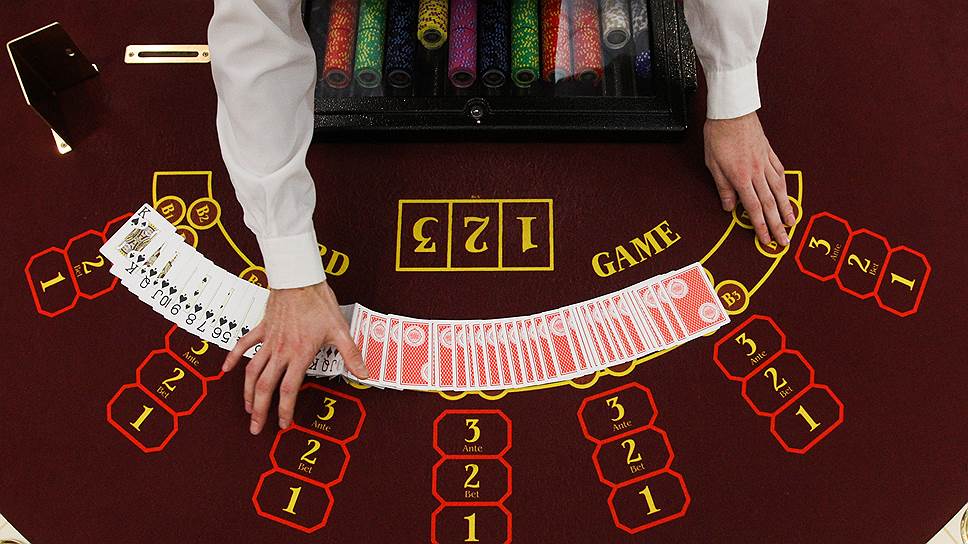
The Sikkim Game stands as a prominent example of modern online gambling, reflecting the evolution of the industry in India. Operated under state-issued licenses, it offers a wide variety of gaming options ranging from traditional games like poker and roulette to innovative formats such as color prediction rounds. This platform caters to both casual players and gambling enthusiasts.
User convenience is at the forefront of the Sikkim Game experience. With a minimalistic interface and features designed for quick registration, users can engage in sikkim game login to access their accounts easily and enjoy swift transactions. Frequent updates and bonuses further enhance the user experience, illustrating how modern strategies are integrated into contemporary gambling platforms.